Astronomy at Les Granges
Top equipment at a top site.
Les Granges has a truly dark site with a best ever Sky Quality Meter reading of an outstanding 22.05. This will be very hard to beat anywhere in mainland Europe. We enjoy an elevated position at 900 metres/3000 feet. Let me show you round the observatories. If you are beginner, don't worry. In a nutshell we have excellent equipment and I'll help you to operate it very successfully. Firstly our visual observing instruments...
The Alan Longstaff Telescope. A 14 inch fork-mounted Meade LX200 Schmidt Casseagrain. It has a precision Go To function making it easy for complete beginners to find the objects of their choice simply by typing a catalogue number into the handset. A good collection of premium TeleVue eyepieces ensures that these telescopes give of their very best. Deep Sky Imaging at Les Granges
We'll give you a fully hands-on experience of imaging, using our two photographic observatories. I'll be available to advise on all aspects of capture and processing. If you are new to imaging or are thinking of taking it up then I believe I can save you weeks or months of frustrating trial end error. Since we have only two bedrooms all guests can have a generous share of my time and our equipment. The Twin Takahashi rig.
The TEC 140. Our big apochromatic triplet now rides on a second Mesu 200 mount and can use either a widefield full frame CCD or a small format, small pixel Atik 460 for high resolution imaging of small targets.
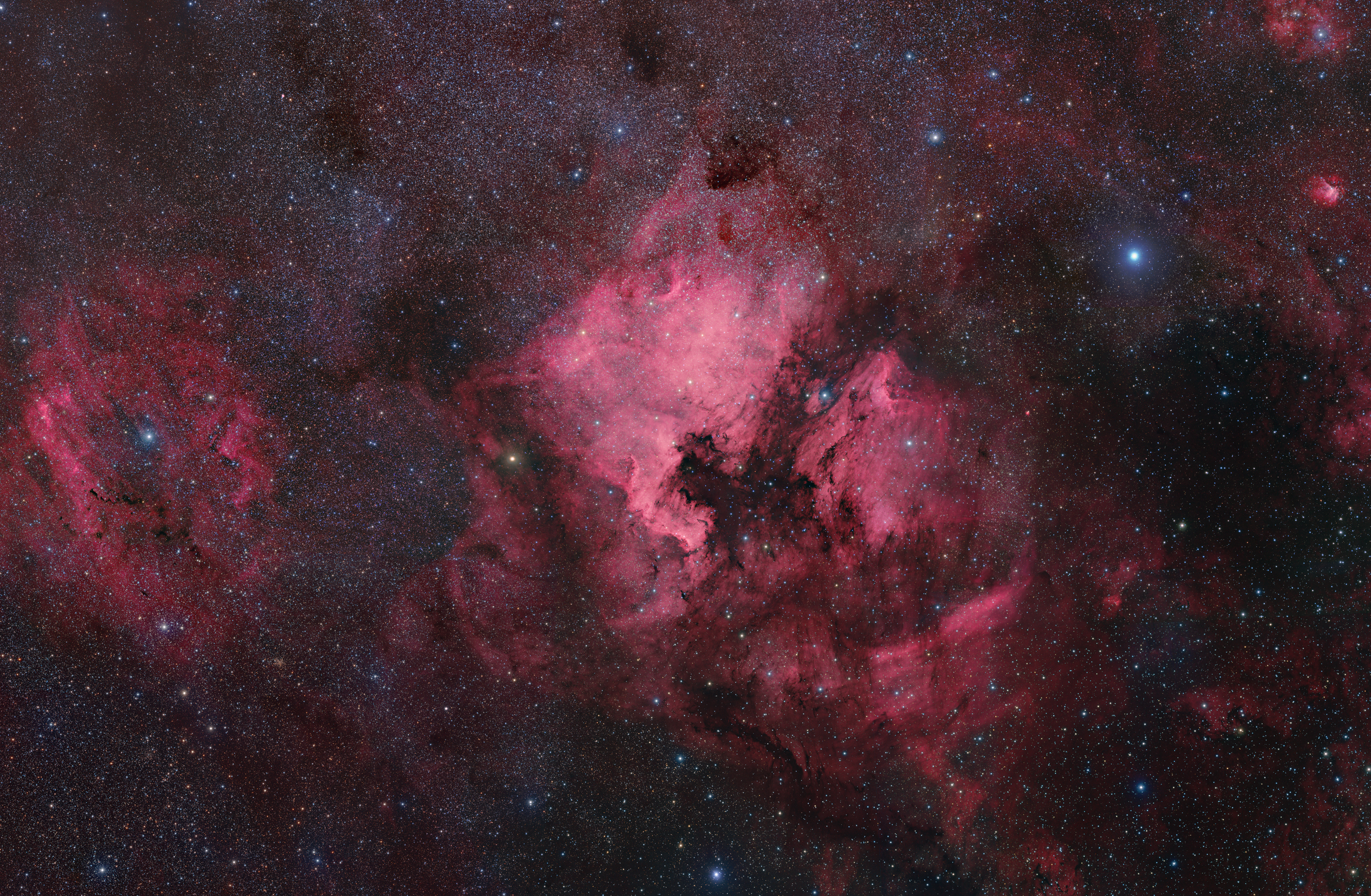
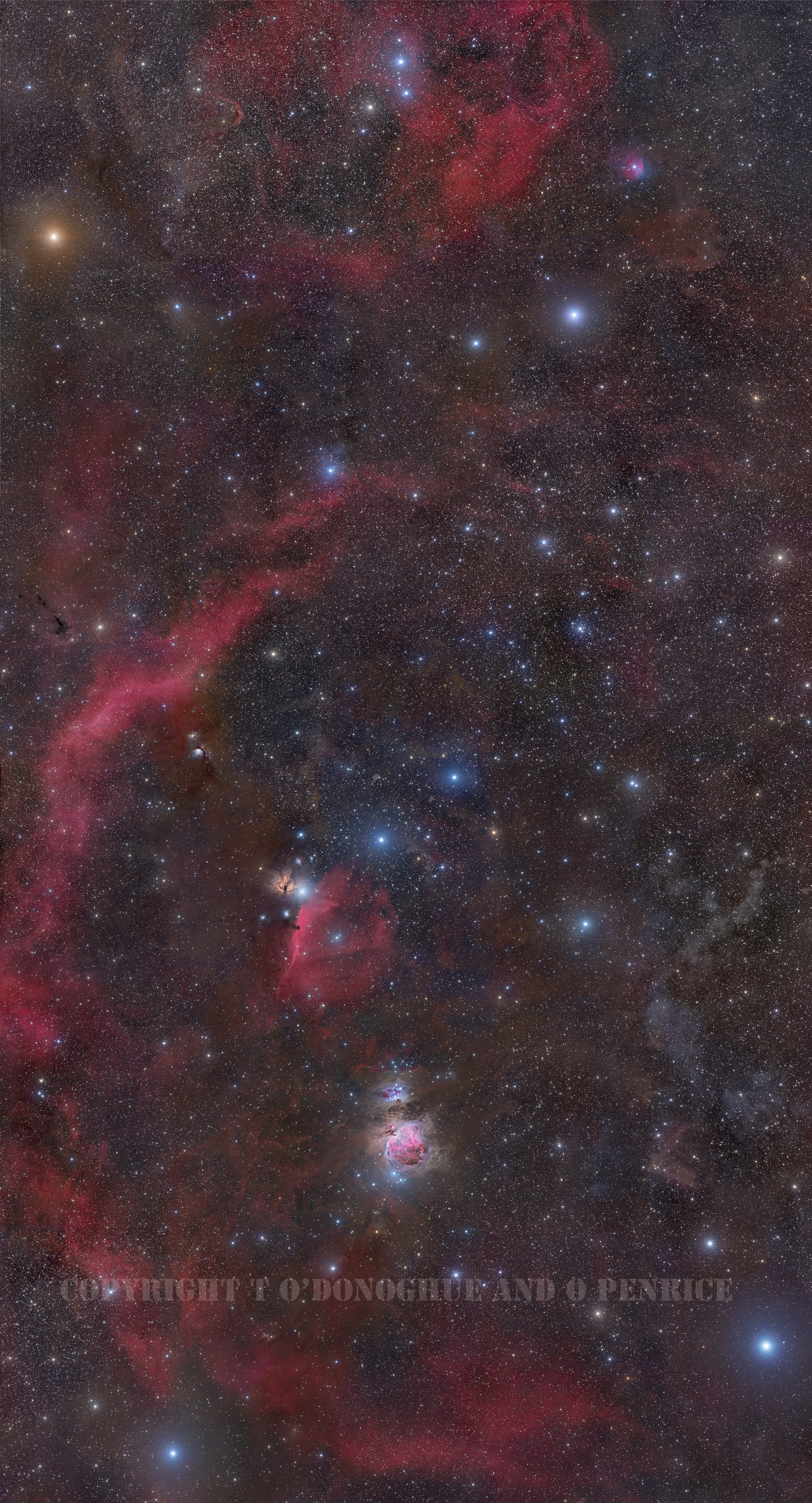
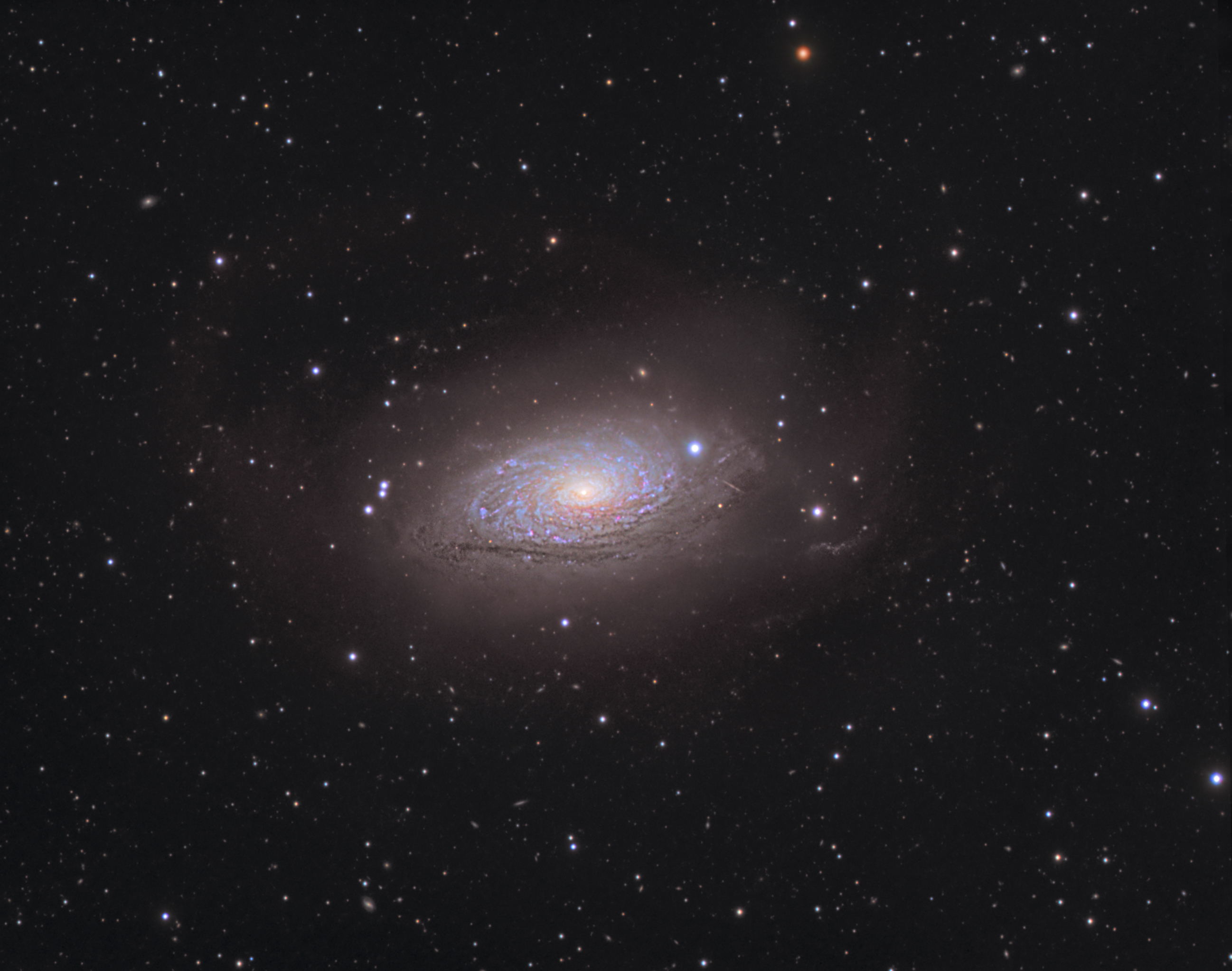
You can enjoy a 'virtual night' at night at Les Granges by watching the Etoile St Cyrice time lapse movies by regular guest Maurice Toet. http://www.mauricetoet.nl/Timelapse My articles on astrophotography have appeared in Astronomy Now and Astronomy Technology today. I can take you through from basic processing to complex layer masking, composite imaging and the subtle blending of narrowband data into natural colour. Our images have been published in Sky and Telescope, Astronomy Now, The Sky at Night, Astronomie, Astronomy Technology Today, Starlight, the SPA journal, the Guardian Online and Astronomy Photographer of the Year. Les Granges is also home to five privately owned and remotely operated systems in our Observatoire Per Prejvall.
|
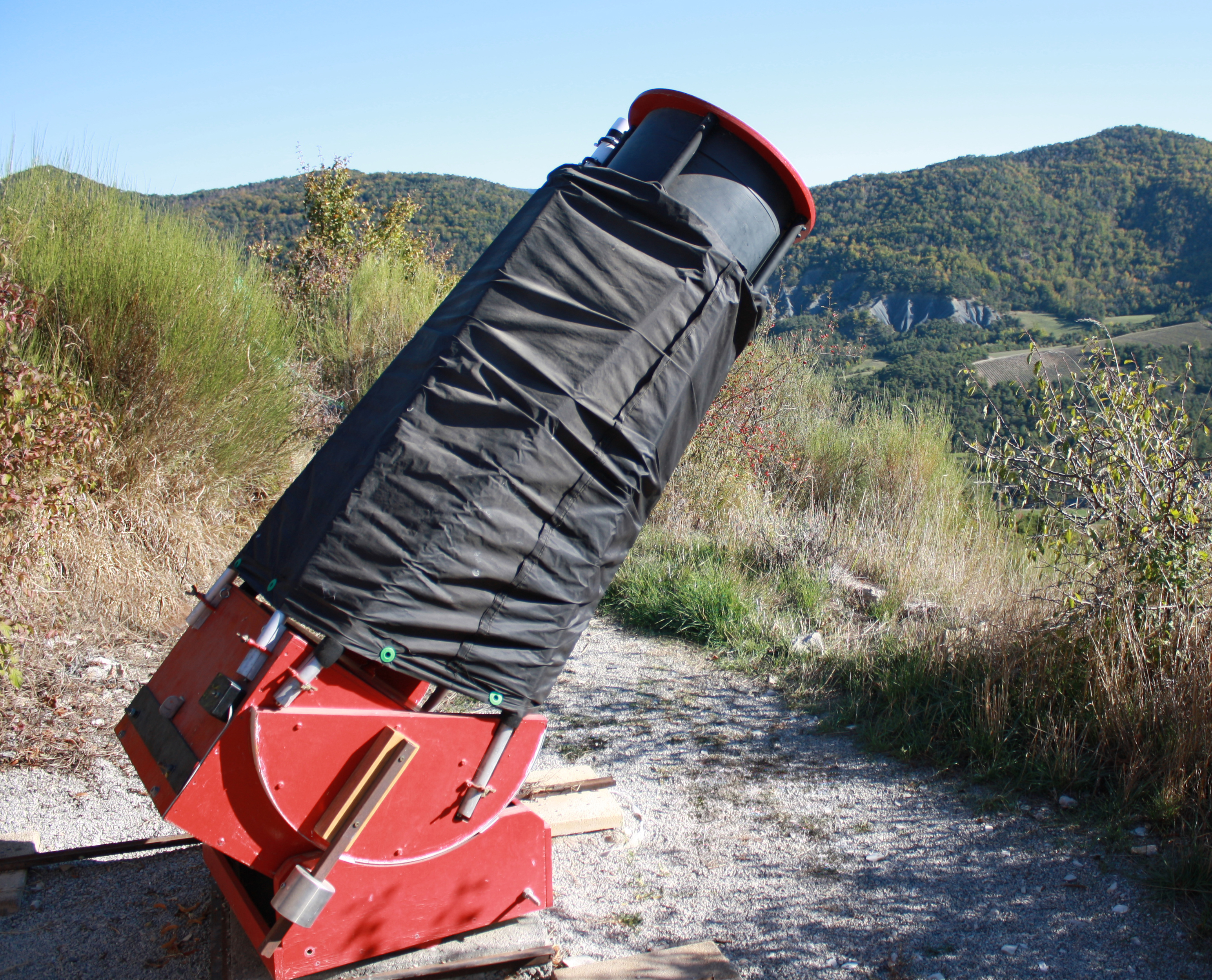
Sir Isaac

Alan Longstaff Telescope 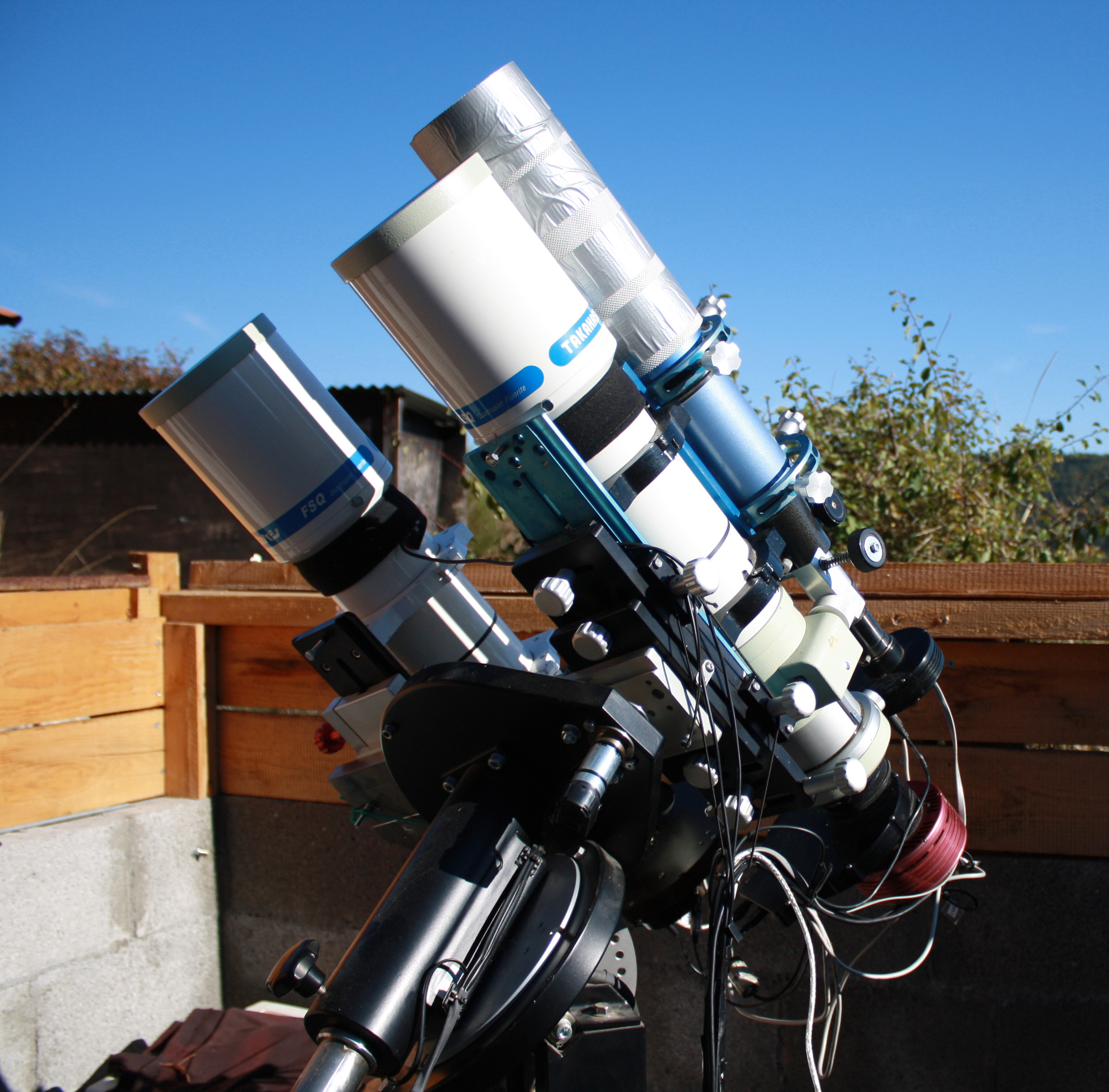
Twin Takahashi 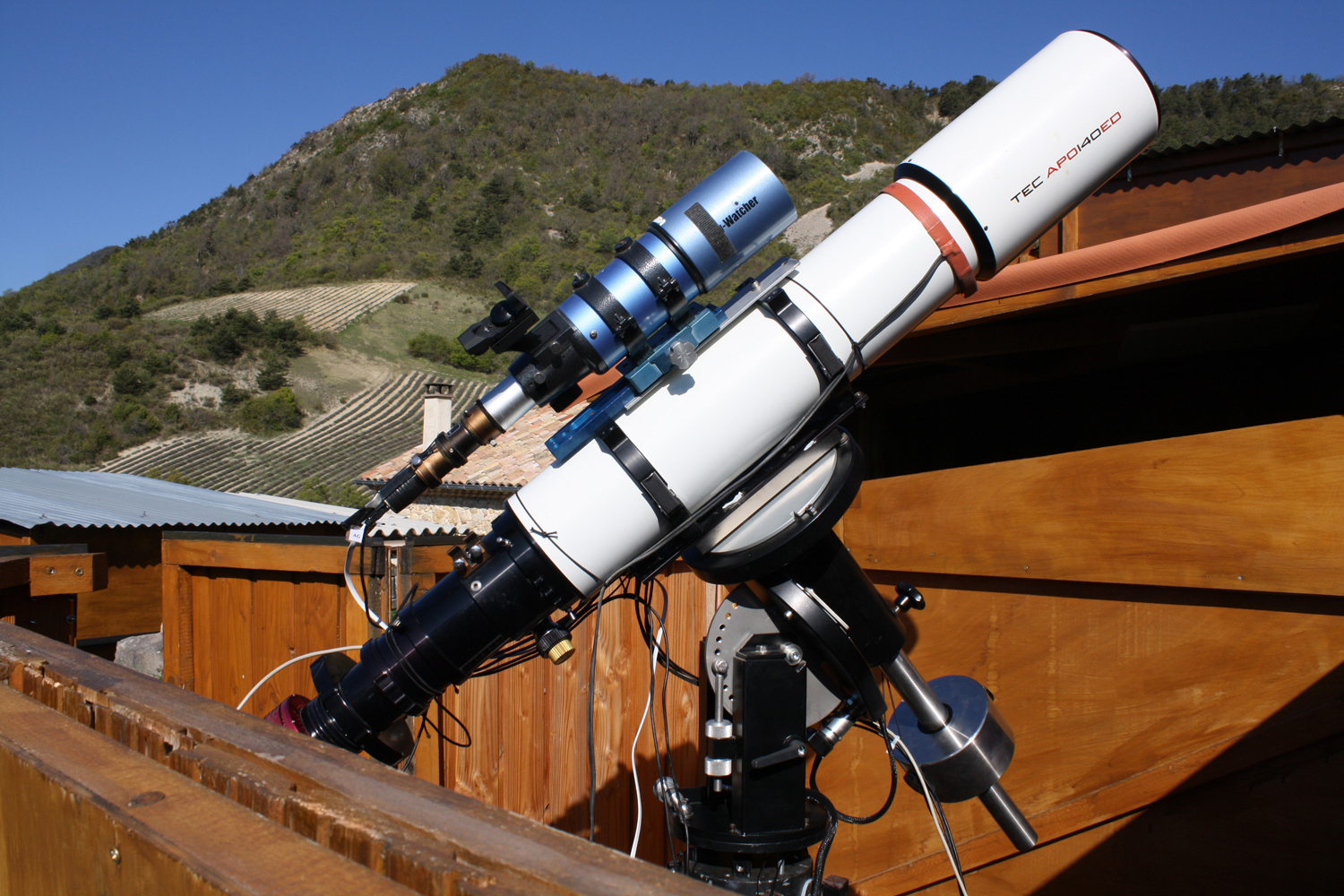
TEC 140 |
||||||||||||